


The wise and forever relevant proverb says, “With some luck, we will all get older.”
There’s usually no mention of the practical realities like the growing size of the senior generation and, more urgently, the unique needs and expectations of Edmonton residents.
Statistics Canada and other research and surveys underscore the urgency and the caution.
Albertans are living longer, healthier lives, with average life expectancies stretching into the mid-80s. It’s undisputable. The 55-plus demographic is the fastest-growing age group in the province, with currently over 850,000 seniors living in Alberta, a figure projected to grow to over 1.2 million by 2046.
While rural areas face declining and disproportionately older populations, most of the province’s growth is concentrating in major urban centres, especially along the Edmonton-Calgary Corridor.
In Edmonton, this demographic shift is fuelling unprecedented demand for continuing care services and technology-enabled independent living, directly impacting provincial finances, health-care resources and workforce planning.
The trends and stats also underscore the surging popularity and demand for senior living facilities and residences. The popularity of 55-plus communities, now known as the “active adult” segment of senior living, is thriving.
The various types and categories of Edmonton senior living residences are increasingly popular because they combine the independence of private living with the convenience of hospitality services, on-site health support and active social communities. They eliminate the daily burdens of home maintenance, combat social isolation and provide peace of mind regarding future care needs.
Most Edmonton senior communities offer a variety of lifestyle and practical benefits.
“Today’s residents and families expect more than a place to live; they expect a community,” says the personable and enthusiastic Becky Marlatt, vice president of operations at Edmonton’s popular Park Place Seniors Living. “The top expectations we hear are choice and autonomy in daily life; modern, accessible suites with private, barrier-free amenities; nutritious, restaurant-quality dining; meaningful social, wellness and recreational programming; and a clear continuum of care so they don’t have to move again as needs evolve.”
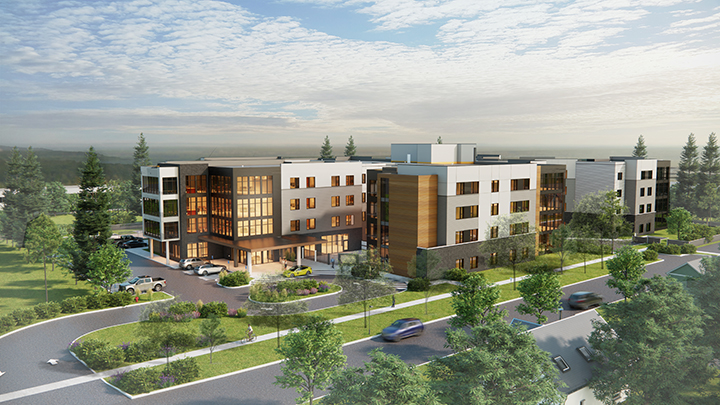
She notes that the new Beverly Heights Seniors Community in northeast Edmonton has been thoughtfully designed around exactly these expectations, including distinct neighbourhoods that foster a sense of belonging and personalized care.
Aside from the straight basics of demographics, there are various reasons for the surging demand for senior living facilities in Edmonton.
“Demographics are certainly a factor, but they are not the full story,” she says. “In Edmonton, we are seeing a generational shift in how seniors and their families think about this stage of life.
“Today’s older adults are looking for community, convenience, connection and peace of mind before a health event forces a decision. They want lifestyle, social engagement and support that allows them to plan with confidence.
“At the same time, adult children are playing a more active role in helping parents make thoughtful choices and want reassurance that their loved ones are in a safe, supportive environment.”
She emphasizes that together, proactive seniors and engaged families are driving demand beyond what demographics alone would suggest.
“Individuals and couples are looking for options that enhance their quality of life by making their daily life easier,” says Irene Martin-Lindsay, executive director of the Alberta Seniors & Community Housing Association (ASCHA), the respected non-profit, member-driven organization that represents the majority of Alberta’s seniors and community housing providers. “They also have more opportunities to socialize and try new things. Seniors living communities offer so many choices and opportunities for people to fill their days with a range of activities that focus more on overall wellness.
“Of course there are misinformed perceptions. The seniors living options today are not the clichéd ‘old folk’s homes’ people think of when they say they will never consider ‘moving into a home.’”
Now more than ever, the living situation is a matter of supply and demand. She explains, “Across many of our Edmonton communities, wait lists regularly sit at 30 to 40 people. And there is definitely a surge in Edmonton senior living and assisted living options. Demand is increasing across the full continuum, including independent living, supportive living, long-term care and memory care.”
It’s a statistical fact that many seniors moving into retirement-style communities today are younger and more active than in the past, while the need for higher-acuity care continues to rise as people live longer with more complex health needs.
“Communities that offer multiple levels of care on one campus, allowing residents to age in place, are especially well-positioned,” Martin-Lindsay says. “Through our work with Alberta Health Services, we also know that a meaningful number of acute care beds in the region are occupied by seniors waiting for an appropriate long-term care placement.”
When it comes to Edmonton, there are both positives and challenges.
“Edmonton has a strong, engaged senior population,” Marlatt points out, “an active health system partner in Alberta Assisted Living (ALA), an established network of community supports and a provincial government that has recognized the need and is investing in capacity. The region also has a culture of community that translates well into senior living.
“The two biggest challenges are capacity; the system needs more modern beds to meet demand and the workforce who deliver the services. Recruiting and retaining skilled care professionals is an ongoing focus for every operator in the country. The good news is that the new investment and modernization underway will help address both over time.”
The need and the demand are a focused Edmonton dynamic. Who and how to pay for it is a bit more contentious.
This spring, shovel-ready continuing care homes in Alberta got a boost to address the needs and the demands of the growing senior population.
There are currently 2,200 continuing care spaces under construction, and about 30,000 provincially subsidized spaces already operating. The government is working toward its goal of adding tens of thousands of continuing care spaces for aging Albertans in the next decade.
Alberta will spend $400 million for 11 projects that will add 1,100 additional spaces for aging Albertans, with three of the facilities located in Edmonton. The money is part of a multibillion-dollar, 10-year plan to address Alberta’s growing aging population.
“The most recent funding is for Continuing Care Capital, which is only for funded spaces where people are placed based on their care needs,” ASCHA’s Martin-Lindsay says. “Private seniors living, operated by private or not-for-profit organizations continue to operate as independent businesses without any funding supports.”
With the growing Edmonton demand for senior living options, there is necessary homework to be done by seniors and their families. “The Edmonton region has an excellent range of choices and options to choose from based on their preferences and income, but the biggest challenge is finding the right one, knowing what to ask during the decision-making process, taking the time to explore all the options and not starting the search when a crisis happens.”