


Edmonton calls itself pragmatic. We wear it like a badge – grounded, sensible, humble and not prone to hype. We take pride in being the kind of city that doesn’t brag, doesn’t overpromise, and doesn’t chase flash for attention. But I believe our version of pragmatism – and our pride in humility – has quietly become something else: a socially acceptable form of pessimism. We’ve mastered the art of listing all the ways an idea won’t work, then congratulating ourselves for being “realistic.”
Pragmatism in Edmonton often sounds like “No.” No, that won’t work here. No, we tried that before. No, the budget. No, the risk. No, the process. Before we even test an idea, we default to broad engagement – asking everyone what they think, collecting endless opinions and trying to build universal comfort before anything can move forward. The result is a city that’s excellent at identifying obstacles, but slower at building solutions.
You can see this mindset in our public debates. Take the gondola proposal. It wasn’t perfect, but it was bold, and bold ideas are exactly what Edmonton claims it wants. A gondola connecting both sides of the river valley and improving access wasn’t just a novelty; it was an investment in tourism, identity and confidence. But Edmonton did what Edmonton often does: we turned it into a referendum on risk and Council killed it. That wasn’t leadership. It was fear disguised as prudence. We struggle to move forward on anything ambitious unless everyone agrees, and in Edmonton, that bar is nearly impossible to clear.
Recently, I spent time in Brisbane, a city that reinvented itself over 40 years. It didn’t become great through cautious incrementalism. It became great because it decided to become great. Brisbane invested, built, modernized and followed through. It didn’t spend decades debating what might go wrong. It created a long-term story and acted accordingly. Why does Edmonton struggle to do the same?
Here’s the controversial part: I think Edmonton’s culture is shaped by large, union-heavy institutions that prioritize stability, process and protection. We pilot everything. We committee everything. We study everything. We dilute ambition until it becomes manageable and then wonder why bold people build elsewhere.
This isn’t anti-union. It’s pro-future. Edmonton cannot compete globally with a mindset built for maintaining what exists. Great cities reward momentum. They celebrate execution. They create systems that say “Yes” more often than “No.”
Maybe Edmonton isn’t the City of Champions anymore. Maybe we’ve become the City of No.
That brings me to our new mayor and council. Edmonton doesn’t need defenders of the status quo, more engagement sessions or carefully managed pilot projects. We need decisive action, clear priorities and leaders willing to be accountable for outcomes – not just consensus. Set ambitious targets, make bold decisions and move. Trade endless consultation, studies and reports for measurable progress. Reward teams and partners who deliver. Remove barriers slowing infrastructure, business growth and downtown renewal. Most importantly: stop asking if Edmonton can change and start leading it like it will.
This is fixable, but it requires a shift from skepticism to curiosity, from process to outcomes, from “that won’t work” to “what would it take?” The future won’t be built by people who can explain why things are impossible. It will be built by those willing to prove they aren’t.
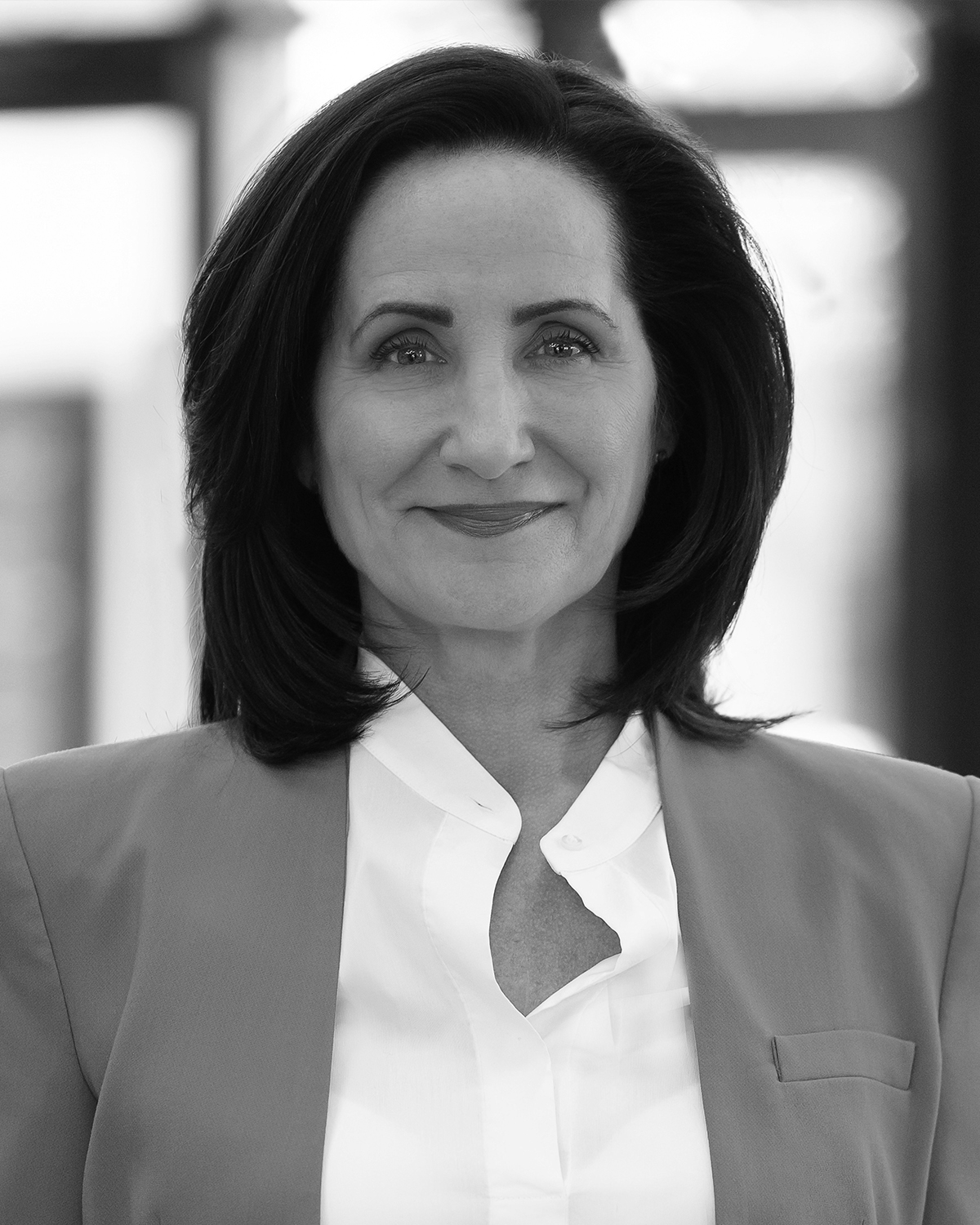
Cheryll Watson is the president & CEO of Junior Achievement Northern Alberta and a recognized thought leader in economic development. She previously served as vice president of Innovate Edmonton and ran for mayor of Edmonton with a platform focused on economic growth, downtown revitalization, and stronger partnerships between business and government. Cheryll also serves as chair of the Downtown Revitalization Coalition and board chair of STEM Collegiate. She believes in empowering the next generation of leaders and is known for championing free enterprise. Cheryll is passionate about building a city that supports both business and community.
